“derived from” search results (800)

Comparison of Cappuccino and latte espresso
Comparison of Cappuccino and latte Cappuccino: less milk (1:1 to milk); more foam (thicker than 1cm); dressed in a glass with a tray with paper towels on the bottom; country of origin Italy; the name is derived from the dress of the Gabrian monks Cappuccino. Latte: more milk (about 150~200ml); milk foam
2016-06-08 Cappuccino latte contrast Italian Coffee Capp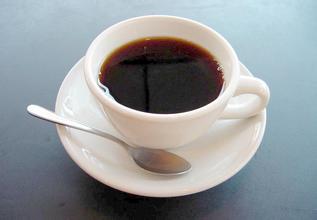
Introduction to Coffee beans in Fine Coffee Manor
The origin of the variety and name he is the variety derived from Maragogype and Paka Pacas. The first four letters of Maragogype and Pacas are combined into Pacamara, which is an excellent coffee variety developed in El Salvador. The granule of coffee is very large, which is close to about 21mm 22 mesh. It is the best coffee variety in South America in the past two years. Every country or farm hopes to find out the species.
2016-06-14 Boutique coffee manor Mayer coffee beans introduction variety name origin he is
Coffee common sense handmade Mexican sunset iced coffee
This is a pure handmade iced coffee, divided into: Mexican sunset (egg yolk below), Mexican sunrise (egg yolk on the surface). In the 1990s, the Chinese coffee industry was in the stage of enlightenment, and there were few professional Italian coffee machines, so many cafe owners chose a simple handmade coffee making method (derived from desktop coffee) to provide coffee for every customer. however,
2014-12-22 Coffee common sense handicraft making Mexico sunset is pure handmade made
How does the sour and bitter in coffee come from?
Many thermal and chemical reactions take place during baking: decarbonation, dehydration of quinic acid, subdivision, isomerization, polymerization, and complex sugar reactions (caramelization).
2014-08-25 Coffee knowledge sour coffee bitter coffee why coffee is bitter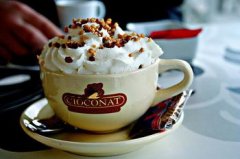
Coffee basic knowledge Mexican sunset iced coffee made by hand
This is a pure handmade iced coffee, divided into: Mexican sunset (egg yolk below), Mexican sunrise (egg yolk on the surface). In the 1990s, the Chinese coffee industry was in the stage of enlightenment, and there were few professional Italian coffee machines, so many cafe owners chose a simple handmade coffee making method (derived from desktop coffee) to provide coffee for every customer. however,
2015-05-19 Coffee basics common sense craftsmanship Mexico sunset is pure handmade
Differences between Arabica coffee beans and bourbon coffee beans
The well-known Arabica species (the main force of boutique coffee) and Robasta species (slightly rough flavor, more suitable for commercial use), Arabica was first identified in 1735 by the Swedish botanist Linnai, more than 100 years earlier than Robasta. There are 2, 000 to 3, 000 varieties under Arabica, all from the oldest iron pickup (Typica) in Ethiopia (the birthplace of coffee).
2016-04-22 Rabbi coffee beans pickups varieties ancient native well-known rabbi card species
The history of Cappuccino, the culture of fancy coffee
The monks of the St. Franciscan Church (Capuchin), founded after 1525, wore brown robes and pointed hats. When the St. Franciscan Church spread to Italy, the locals thought the monks' clothes were special, so they gave them the name Cappuccino. The Italian word refers to the loose robes and pointed hats worn by monks, derived from the Italian headscarf, namely Cappuccio. However,
2015-05-08 Cappuccino History Fancy style Coffee Culture set in 1525
Cappuccino's Coffee Common sense the History of Cappuccino
The monks of the St. Franciscan Church (Capuchin), founded after 1525, wore brown robes and pointed hats. When the St. Franciscan Church spread to Italy, the locals thought the monks' clothes were special, so they gave them the name Cappuccino. The Italian word refers to the loose robes and pointed hats worn by monks, derived from the Italian headscarf, namely Cappuccio. However,
2015-03-19 Cabo Chino Coffee Common sense Cappuccino History set at 1
Arabica beans-- A family "genealogy" like rising day and moon
Arabica, (scientific name Coffea arabica, Coffee Arabica), also known as Arabica coffee, is an indigenous species of coffee grown on the Abyssinia Plateau of Ethiopia (present-day Ethiopian Plateau). According to textual research, it is the first artificially cultivated coffee variety in the world, one of the most important coffee tree species, and occupies the global coffee.
2014-08-29 Arabica bean
The History of the basic knowledge of Italian Coffee Cappuccino
The monks of the St. Franciscan Church (Capuchin), founded after 1525, wore brown robes and pointed hats. When the St. Franciscan Church spread to Italy, the locals thought the monks' clothes were special, so they gave them the name Cappuccino. The Italian word refers to the loose robes and pointed hats worn by monks, derived from the Italian headscarf, namely Cappuccio. However,
2014-12-12 Italian Coffee Basics Common sense Cappuccino History set at 1
Steps and Materials for making Creative Fancy Coffee in Mexican Sunset Ice Coffee
This is a pure handmade iced coffee, divided into: Mexican sunset (egg yolk below), Mexican sunrise (egg yolk on the surface). In the 1990s, the Chinese coffee industry was in the stage of enlightenment, and there were few professional Italian coffee machines, so many cafe owners chose a simple handmade coffee making method (derived from desktop coffee) to provide coffee for every customer. however,
2015-03-30 Mexico sunset coffee production creativity fancy steps materials is one pure
Taiwan | Sea Salt Coffee-sprinkle Salt on Milk foam Taiwan | Sea Salt Coffee quality Taiwan | Sea Salt Coffee
Highlight: sea salt coffee with salt on milk foam is derived from cappuccinoli and was originally an original flavor coffee from a coffee shop in Taiwan. It is made in almost the same way as a cappuccino. General cappuccino on the basis of Italian espresso, add a thick layer of foaming milk, become cappuccino. The sea salt coffee is made by adding the right amount of sea salt to the stirred milk.
2016-03-16 Taiwan sea salt coffee soak sprinkle salt quality bright spot
Russian media: Japanese scientists invent a way to tell the authenticity of Kopi Luwak
It may not be so easy for swindlers to fake the world's most expensive coffee Kopi Luwak, according to Russia's Communist Youth League Truth newspaper. Scientists at Osaka University in Japan have brought good news to coffee lovers by inventing a test that can tell the authenticity of Indian civet coffee. Indonesian civet coffee, also known as Kopi Luwak, is derived from civet.
2014-04-27 Russian media Japan scientists invention identification cat shit coffee authenticity method Russia
Introduction to the types of boutique coffee
In plant taxonomy, coffee belongs to the Genus Coffea family of Rubiaceae, and there are at least a hundred varieties of coffee under it. In the healthy Life post "falling in love with boutique coffee", I mentioned that the more common coffees are Arabica (Arabica, elegant flavor, is the main boutique coffee) and Robusta (or sturdy beans, rough flavor, caffeine content
2014-11-12 Coffee knowledge coffee common sense coffee types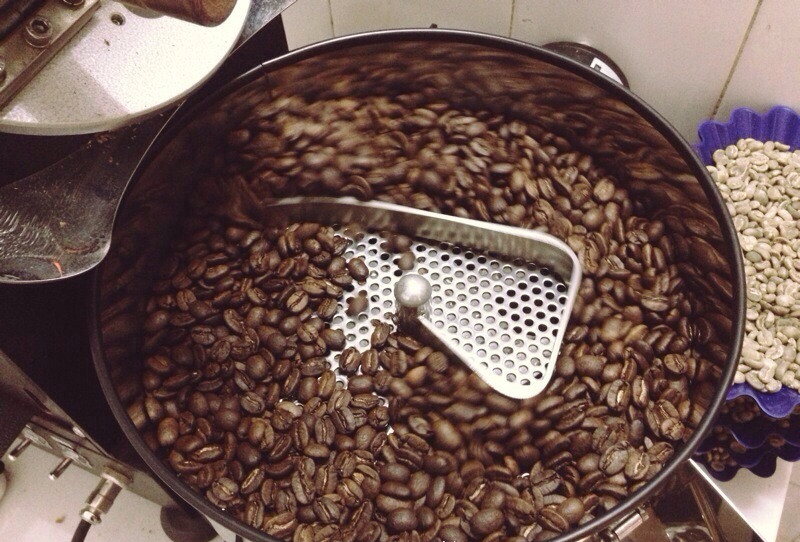
Basic chemical reactions of coffee beans during coffee roasting
Many thermal and chemical reactions take place during baking: decarbonation, dehydration of quinic acid, subdivision, isomerization, polymerization, and complex sugar reactions (caramelization). The main components of the thermal reaction are monosaccharides and sucrose, chlorogenic acid, free amino acids, and fenugreek amide. Both aravinose and calactose in the polysaccharides are transferred, and the basic vulcanization process includes hydroxylamine.
2015-03-16 Coffee roasting process coffee beans raw basic chemical reaction
Basic chemical reactions that occur during coffee roasting
Many thermal and chemical reactions take place during baking: decarbonation, dehydration of quinic acid, fragmentation, isomerization, polymerization, and complex sugar reactions (caramelization). The main thermally reactive components are monosaccharides and sucrose, chlorogenic acid, displaced amino acids, and trigonelline amide. Both aravinone and calactose in polysaccharides are transferred, and basic sulfurization contains hydroxyamino acids.
2014-08-20 Coffee knowledge Coffee roasting Chemical changes Coffee encyclopedia
SCAA interprets Typica and Bourbon of Fine Coffee
There are more than a hundred varieties of coffee, the more common coffee are: Arabica, outstanding personality, unique flavor, is the main force of boutique coffee, mainly used for coffee shop management and high-end coffee market supply; Robusta, rough flavor, high caffeine content, not boutique coffee, often used for instant coffee processing and Italian coffee mixed beans. Ethiopia Typica and Yemen Bourbon are
2016-07-14 SCAA interpretation boutique coffee Typica Bourbon
Greek Coffee Story Greek Coffee Divination
Greece is a country that likes divination and fortune-telling, and their curiosity about fate has contributed to the development of philosophy, astrology, numerology and astronomy. The Greeks believed that everyone's luck was different every day, sometimes good luck, sometimes bad luck, so it also derived some special divination methods to predict the future, plus the Greek people, coffee drinkers.
2015-01-17 Greece coffee stories divination is a like fortune telling country
Iron pickup or bourbon? Iron pickup coffee beans iron pickup coffee beans price Ethiopian water wash
Iron pickup "Typica" iron pickup, the name sounds majestic and powerful, but in fact it is not so strong. It has a weak physique, poor disease resistance, easy to catch rust leaf disease, and produces less fruit. It is one of the oldest native varieties in Ethiopia, and many Arabica are derived from iron pickups! The parietal leaf of the iron pickup is bronzed, and the bean grain is large, pointed, oval or thin.
2016-04-22 Pickup or bourbon coffee beans price Ethiopia water washing pickup Ty
The basic chemical reaction that takes place during coffee roasting.
Many thermal and chemical reactions take place during baking: decarbonation, dehydration of quinic acid, subdivision, isomerization, polymerization, and complex sugar reactions (caramelization). The main components of the thermal reaction are monosaccharides and sucrose, chlorogenic acid, free amino acids, and fenugreek amide. Both aravinose and calactose in the polysaccharides are transferred, and the basic vulcanization process includes hydroxylamine.
2014-11-22 Coffee knowledge coffee common sense coffee roasting chemical reaction